
The Hustle that Built Your First Six figures
Won’t Scale Your Next Million
You’re making money but you’re maxed out and exhausted.
Your calendar is filled with back-to-back appointments.
Emails that never stop.
No time for fun or rest.
There is no room in your schedule to take on more without burning out.
You’re working more hours, making less money.
The hustle that built your business won't scale your next million
You're Not Lazy or Crazy
You Outgrew the Hustle
Chasing revenue is stealing your ability to live the life you thought you would have at this point.
You are lowering your goals because you cannot sustain both.
This approach leads to burnout or bankruptcy.
Your next $50K–$500K is sitting in your existing relationships.
These relationships are being ignored because you're at capacity.
Communication is breaking down.
Deadlines are being missed.
Employees are waiting for direction.
Our Approach to Scaling
Have Fun Get It Done
A Clear Path to Your Next 7-Figures Without Burning Out
For Established Business Owners who want to scale
through relationships while working less.
When you’re having fun, you activate your 7 internal success skills required to scale.
Focus – You zero in on what matters most
Belief – Scale with a strategy you create and trust.
Attitude – Meet challenges with clarity, not collapse.
Self-Esteem – You charge based on your value and raise your money floor.
Integrity – Lead in alignment with your values.
Commitment – Stay consistent with what works for you.
Strategy – Grow your business through CEO-level collaborations.
These skills stabilize your ability to lead and scale your business.
So, your relationships create additional revenue without more work.
Your business fits the life you want to live, and you can hear yourself think again.
Established business owners stop hustling through pressure and scale through capacity and relationships.
Imagine Having a Business
That Supports the Life You Want
Time to take vacations as the business is growing.
Go to the gym during the day and still get home on time for dinner with the family.
Growing through relationships that bring in new opportunities.
This Is Why I Created
the Have Fun Get It Done Method
Because if you don’t have a life you love living, making money doesn’t matter.
I know what it feels like to grow a business when life is happening all over my plans.
You get the benefit of my 39+ years of experience.
Growing businesses through economic shifts, personal pressure, and real life.

Working Together We:
Keep Scaling Simple
Decide which business model works for you and your team.
Generate revenue within the first 90 days so you have cashflow to make changes.
Stop chasing every new lead just to stablize revenue
Stabilize revenue so you get paid consistently.
Build a business that fits your life and values, giving you more time for fun.
Client Results
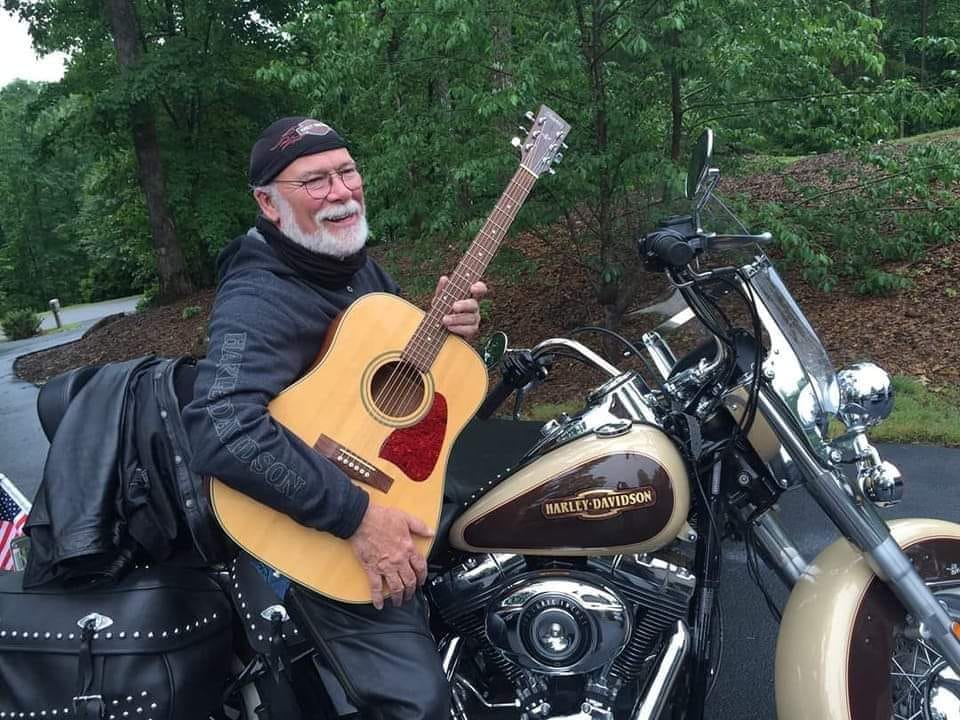
“I increased my revenue by 500%"
In my first ninety days, I created a
$50,000 revenue leap.
By year three, I crossed $650,000 with a small team and stepped out of daily operations.”
Jack Crann, Dog Behaviorist ~ www.PeaceofMindCanine.com
“ $150,000 in profit working fewer hours"
While working fewer hours and taking several vacations.
My life and business are thriving, and I am on track for seven figures.”
Charlene Chiaro~ Clear Vision Agency
www.ClearVisionAgency.com

"I created 6 clients in 6 weeks"
With a business that fits my life.
Even during COVID, I grew and made a profit.
Kim and Angelus helped me blend life and business and break through the income plateau.”
~Kathy Vass, Ever After Ceremonies
www.EverAfterCeremonies.com
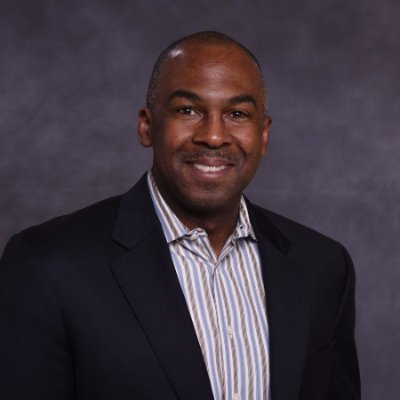
"Her impact exceeded $1.5M in revenue.”
I ran a $15M business.
With Kim’s help we retained and grew market share when competitors tried to take it.
~ Alan Thorne, Former Sales Manager
Start Here
Explore what working together looks like.
Clarity Consult
We look at your business and decide what immediate result would excite you.
Many business owners start here.
Road Map to Profit/Team Integration Experience
A relationship-based scaling framework designed to recover hidden revenue.
Expand capacity and communication that allow your relationships to create revenue.
Networking Soirees
Guided relationship-building rooms designed to create collaborations, referrals, and clients
We're Not a Fit If
You are looking for tactics, scripts, or shortcuts.
Want someone to rescue you instead of making the decisions your business requires.
Not ready to decide what stays, changes, or goes.
Invitation
If you’re at a point where what used to work doesn’t anymore, let's talk.
We can look at your business as it is now and where you want it to be in a year.
Decide where the gaps are and what to do next.
If we decide we are a fit, we can have that conversation.
Either way you walk away with a clear direction and decision to implement.